Alfonte: The Natural Flow for Authentic Design Workflows
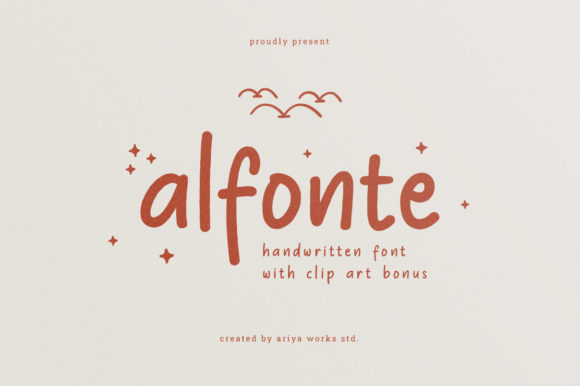
In the modern digital landscape, where speed and scalability often dictate design decisions, finding a typeface that balances efficiency with genuine human expression can be challenging. Alfonte emerges as a solution that bridges this gap. It is not merely a collection of characters; it is a clean script font derived directly from the designer's digital handwriting. This unique origin story transforms how professionals approach branding, content creation, and visual storytelling. By integrating Alfonte into your workflow, you introduce an element of authenticity that pre-packaged serif or sans-serif fonts simply cannot replicate.
The transition from planning to execution in any creative project requires tools that adapt to the user rather than forcing the user to adapt to the tool. Alfonte fits seamlessly into this philosophy. Because it captures the nuances of natural movement, it allows designers, marketers, and entrepreneurs to maintain a consistent voice across various media without sacrificing the organic feel of hand-lettering. Whether you are finalizing a brand identity, drafting a blog post, or creating social media assets, this font serves as a reliable partner in your production pipeline.
Understanding the Architecture of Alfonte
To implement Alfonte effectively, one must first understand its technical foundation. Unlike standard OpenType fonts that rely on complex substitution rules which can sometimes cause rendering issues, Alfonte utilizes PUA encoding. The Private Use Area (PUA) is a specific block of Unicode code points reserved for custom character sets. This encoding method offers distinct advantages for users who prioritize precision and control over their output.
When you select Alfonte, you gain direct access to every glyph and swash available in the family. In many traditional workflows, accessing alternate characters or decorative swashes requires navigating through multiple layers of font menus or using specialized software plugins. With PUA encoding, these elements are mapped directly to specific keys, allowing for rapid implementation during high-pressure design sprints. This accessibility streamlines the editing process, ensuring that your focus remains on the creative vision rather than troubleshooting font compatibility.
The "clean" nature of the script is equally important. While some scripts are overly ornate or difficult to read at smaller sizes, Alfonte maintains legibility while preserving the fluidity of handwriting. This balance makes it versatile enough for body text in certain contexts, headlines, logos, and intricate graphic overlays. The font's structure supports both professional rigor and artistic flair, making it a dual-purpose asset in your toolkit.
Integration into the Creative Process
Successful design projects rarely follow a linear path. They involve iteration, feedback, and adjustment. Alfonte supports this non-linear workflow by offering consistency that holds up under scrutiny. During the conceptual phase, when you are sketching ideas or mood-boarding, having a font that mimics the energy of your initial sketches can help bridge the gap between rough drafts and polished deliverables.
Consider a scenario where a small business owner is launching a new product line. The marketing team needs to create packaging, email newsletters, and social media graphics. If they use a generic script, the brand may feel mass-produced. By incorporating Alfonte early in the design brief, the team ensures that the final output retains a personal touch. The font acts as a visual anchor, signaling to the consumer that there is a real person behind the brand. This psychological connection is crucial for building trust and loyalty in competitive markets.
Furthermore, the font's performance interacts well with other design assets. When layering Alfonte over textured backgrounds, photography, or geometric shapes, its clean lines prevent visual clutter. The natural curves of the letters guide the eye naturally, preventing the disjointed look that can occur when mixing rigid sans-serifs with chaotic script styles. This harmonious interaction reduces the time spent on manual adjustments, such as kerning or tracking, allowing the design to reach completion faster.
Practical Implementation Strategies
Implementing a new typeface involves more than just selecting it from a dropdown menu. It requires a strategic approach to ensure it enhances rather than detracts from your work. Here are practical methods for integrating Alfonte into your daily operations.
- Preparation and Asset Management: Before starting a project, ensure your operating system and design software recognize the PUA encoded glyphs. Organize your font library so that Alfonte is easily accessible. Create a style guide document that defines where and how the font should be used. Specify weights, sizes, and color combinations that work best with the script's natural flow. This preparation step prevents last-minute scrambling and ensures consistency across all deliverables.
- Workflow Optimization: Leverage the PUA encoding to build shortcuts. If you frequently use specific swashes or ligatures, map them to keyboard shortcuts within your design software. This technique significantly speeds up the typesetting process, especially when dealing with long-form content like eBooks or detailed brochures. The ability to access all glyphs with ease means you spend less time searching and more time designing.
- Quality Control and Testing: Always test your designs across different platforms. Since Alfonte is designed for digital environments, verify how it renders on mobile devices, tablets, and desktop screens. Check for contrast ratios to ensure readability, particularly if the font is used for informational text. The goal is to maintain the chic aesthetic without compromising accessibility.
For educators and bloggers, Alfonte offers a unique opportunity to make learning materials more engaging. Standard educational content can often feel dry or impersonal. By using Alfonte for headings, pull quotes, or key takeaways, instructors can inject personality into their curriculum. The handwritten style suggests a teacher's notes, fostering a sense of intimacy and approachability for students.
Freelancers and publishers also benefit from the font's versatility. In a crowded marketplace, a distinctive typographic voice can set a publication apart. Alfonte provides that distinction. When designing a newsletter or a magazine layout, the font adds a layer of sophistication that elevates the perceived value of the content. It signals to the reader that care has been taken in the presentation, reinforcing the credibility of the information provided.
Navigating Compatibility and Consistency
One of the primary concerns when adopting custom fonts is compatibility. While Alfonte is robust, it is essential to manage expectations regarding cross-platform usage. For web projects, consider converting the font to web-safe formats or utilizing web font services that support custom encodings. This ensures that your audience sees the design exactly as intended, regardless of their device.
Consistency is another critical factor. Once you decide to use Alfonte, commit to it. Mixing too many script styles can create visual chaos. Instead, pair Alfonte with simple, neutral sans-serif or serif fonts that allow the script to shine. The contrast between the clean, structured body text and the organic, flowing Alfonte creates a dynamic tension that keeps the viewer engaged. This pairing strategy works well for everything from business cards to large-scale banners.
Long-term use of the font also requires attention to file organization. As your projects grow, maintaining a clear archive of versions and variations becomes necessary. Keep track of which swashes were used in which campaigns to ensure future updates align with past branding efforts. This level of organization is vital for agencies managing multiple clients or individuals running long-term content strategies.
Outcomes and Impact
The ultimate measure of any design tool is its impact on the final outcome. Alfonte delivers results that are both aesthetically pleasing and functionally effective. Designs featuring this font tend to perform better in terms of engagement because they resonate on a human level. In an era of automated content, the imperfections and quirks of a digital handwriting font stand out as a beacon of authenticity.
For professionals looking to refine their craft, Alfonte offers a pathway to elevate their work without requiring advanced illustration skills. The complexity of the letterforms is handled by the font itself, allowing the designer to focus on composition and message. This shift in focus empowers creators to produce higher quality work in less time. The result is a portfolio or brand presence that feels curated, thoughtful, and distinctly human.
Whether you are a marketer crafting a campaign, an entrepreneur building a startup, or a hobbyist documenting a journey, Alfonte provides the structural integrity needed for professional results while retaining the soul of hand-crafted art. By understanding its capabilities and integrating it thoughtfully into your workflow, you unlock a new dimension of creative expression. The font does not just fill space; it tells a story, connects with an audience, and leaves a lasting impression.
As you move forward with your next project, consider how Alfonte can fit into your specific needs. Evaluate your current processes, identify areas where a touch of authenticity could improve communication, and experiment with the font's capabilities. The integration of Alfonte is not just a stylistic choice; it is a strategic decision that aligns your visual output with the values of clarity, connection, and excellence. In doing so, you ensure that your work stands out in a crowded digital world, delivering messages that are not only seen but felt.