La Provence: A Detailed Look at the Hand-Drawn Calligraphy Script
In a digital landscape saturated with geometric sans-serifs and rigid serif typefaces, finding a font that genuinely captures the organic flow of human handwriting is increasingly difficult. La Provence emerges as a compelling solution for designers and creators seeking to inject warmth and authenticity into their projects. This hand-drawn calligraphy script font distinguishes itself not merely through its aesthetic appeal but through the meticulous attention to detail embedded in every character. For professionals ranging from small business owners to freelance marketers, understanding the specific capabilities and limitations of such a specialized typeface is essential before integrating it into a workflow.
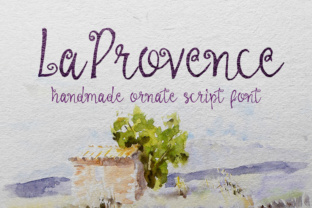
The primary value of La Provence lies in its ability to bridge the gap between traditional artistry and modern digital application. Unlike many script fonts that rely on uniform stroke widths or artificial ligatures, this typeface mimics the natural variation found in ink on paper. The gorgeous details mentioned in its description are not superficial; they represent a deliberate design choice to replicate the texture and imperfection of real calligraphy. This makes it particularly effective for brands that want to communicate heritage, craftsmanship, or personal touch without resorting to clichéd imagery.
Key Characteristics and Design Philosophy
When evaluating La Provence, one must look beyond the initial visual impression to understand the mechanics of its construction. The font is built around a loose, flowing structure that suggests movement. Each letter connects to the next with a fluidity that feels spontaneous rather than calculated. This characteristic is crucial for maintaining readability while still achieving a decorative effect. The strokes vary in thickness, creating a dynamic rhythm that guides the eye across the line of text. This variation is what separates high-quality calligraphy scripts from those that appear flat or machine-generated.
The detail work extends to the terminals and flourishes. In many instances, the ends of letters taper naturally, mimicking the lift of a pen from the page. These subtle nuances add a layer of sophistication that can elevate simple headlines or short phrases into focal points of a design. However, this level of detail requires careful handling. The complexity of the glyphs means that kerning and spacing play a significant role in the final presentation. When used correctly, the font exudes elegance; when spaced poorly, the intricate details can clash, resulting in a cluttered appearance.
Technical Consistency and Reliability
From a technical standpoint, the reliability of a font is often overlooked until a project goes into production. La Provence demonstrates a high degree of consistency across its character set. Whether rendering uppercase letters, lowercase forms, or special punctuation, the style remains cohesive. This consistency is vital for maintaining brand identity across different media. A professional using this font for a logo, a website header, or printed marketing materials needs assurance that the visual tone will not shift unexpectedly. The font family appears to maintain its integrity regardless of the size at which it is displayed, though extreme scaling may require manual adjustment of spacing.
The usability of the script is further enhanced by its support for various character sets. For international projects, the availability of extended Latin characters ensures that the font can be used in diverse linguistic contexts without breaking the visual flow. This flexibility is a practical asset for publishers and educators who need to create content for a global audience. The ability to render accented characters smoothly allows for a seamless integration of foreign languages, preserving the artistic intent of the original design.
Practical Applications and Real-World Performance
The true test of any typography tool is how it performs in actual use cases. La Provence excels in scenarios where emotional connection is paramount. For entrepreneurs and small business owners, especially those in the food, lifestyle, or artisanal sectors, this font offers a way to convey quality and care. Imagine a bakery using this script for their menu board or a wedding planner incorporating it into invitation suites. In these contexts, the hand-drawn quality reinforces the message of personalized service and attention to detail.
Marketers and content creators can leverage the font to break up dense blocks of text. Using La Provence for pull quotes, subheadings, or emphasis within blog posts can draw the reader's eye and add visual interest. It serves as an effective tool for hierarchy, signaling to the audience that a particular section holds special significance. However, it is important to note that this font is not designed for body copy. Its decorative nature and varying stroke widths make it less suitable for long-form reading. Attempting to use it for paragraphs would likely reduce legibility and increase cognitive load for the reader.
- Branding and Logos: Ideal for businesses wanting a custom, handcrafted look.
- Event Materials: Perfect for invitations, programs, and signage where atmosphere matters.
- Digital Content: Effective for social media graphics and email headers to capture attention quickly.
- Editorial Design: Suitable for magazine covers or book titles that aim for a classic or romantic feel.
In the realm of freelancers and agencies, the versatility of La Provence allows for rapid prototyping of concepts. A designer can quickly mock up a campaign concept using this font to demonstrate a specific mood to a client. The immediate recognition of the style helps stakeholders visualize the final product. Furthermore, the font's ability to stand out against more neutral backgrounds makes it a powerful tool for contrast in layout design.
Audience Fit and Strategic Considerations
Understanding who benefits most from La Provence requires an analysis of the target audience and the project goals. Educators and publishers looking to create engaging learning materials or storybooks may find this font particularly useful. The whimsical yet refined nature of the script can make educational content feel more inviting to students. Similarly, bloggers and content creators who focus on lifestyle topics can use the font to establish a distinct voice that feels personal and approachable.
However, there are limitations to consider. For corporate environments that prioritize clarity and neutrality, such as law firms or financial institutions, this font might be too expressive. The hand-drawn aesthetic could undermine the perception of stability and precision required in those fields. Additionally, the effectiveness of the font depends heavily on the execution of the surrounding design elements. If paired with a chaotic background or conflicting colors, the gorgeous details of La Provence may become lost or distracting.
Long-term value is another factor for serious hobbyists and professionals. Trends in typography change rapidly, but well-crafted script fonts often possess a timeless quality. The classic influences of La Provence suggest that it will remain relevant longer than fonts tied to fleeting fads. Investing in a high-quality typeface like this ensures that designs do not appear dated after a few months. The durability of the design makes it a sound choice for assets that need to last, such as packaging or permanent signage.
Potential Limitations and Best Practices
While the strengths of La Provence are evident, users should be mindful of potential pitfalls. One common issue with detailed scripts is the difficulty in pairing them with other typefaces. Finding a complementary sans-serif or serif that does not compete with the script's complexity requires experimentation. It is often best to choose a clean, understated secondary font to let the La Provence shine. Another consideration is file size and performance. Fonts with extensive glyph sets and complex outlines can sometimes impact loading times on websites if not optimized correctly.
To maximize the utility of this font, creators should prioritize simplicity in their layouts. Allowing ample white space around the text ensures that the gorgeous details have room to breathe. This approach enhances readability and prevents the design from feeling overwhelmed. By adhering to these principles, professionals can harness the full potential of La Provence to create impactful, memorable visual communications.
In conclusion, La Provence represents a significant asset for anyone looking to incorporate authentic, hand-crafted aesthetics into their digital or print work. Its combination of technical reliability and artistic charm makes it a versatile tool for a wide range of applications. While it requires thoughtful implementation to avoid common design traps, the reward is a typeface that adds depth, character, and a human element to creative projects. For those willing to invest the time to master its usage, La Provence offers a lasting contribution to the visual language of their brand or publication.