Pageberry: A Versatile Script Font for Modern Branding
In the crowded landscape of digital and print design, selecting the right typography is often the difference between a project that feels generic and one that resonates with its audience. Pageberry has emerged as a notable option for designers seeking a balance between casual elegance and structural reliability. It is not merely a decorative typeface; it is a functional tool designed to add personality without sacrificing readability. As a casual and beautiful script font, Pageberry offers a distinct character that can elevate product packaging, branding projects, magazine covers, and social media content.
This evaluation explores the practical applications of Pageberry, analyzing its performance in real-world scenarios. For professionals, entrepreneurs, and creators looking to refine their visual identity, understanding the nuances of this script is essential before integrating it into a workflow.
Defining the Character of Pageberry
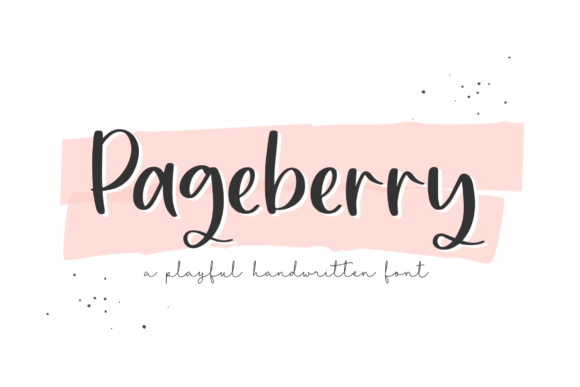
At its core, Pageberry is defined by its fluidity. Unlike rigid serif or sans-serif fonts that prioritize strict geometric alignment, Pageberry mimics the natural flow of handwriting while maintaining a level of polish suitable for commercial use. The letterforms are constructed with a soft touch, avoiding the harsh edges often found in overly stylized scripts. This approach makes it particularly effective for expressing words above a background where the text needs to stand out without dominating the entire composition.
The font's "casual" classification does not imply a lack of sophistication. Instead, it suggests an accessibility that invites the viewer in. In a market saturated with corporate minimalism, Pageberry provides a human element. It bridges the gap between formal documentation and personal expression. Whether used for a wedding invitation or a boutique coffee brand, the font conveys warmth and approachability. Its beauty lies in its ability to feel hand-crafted while delivering the consistency required for professional production.
Key Visual Characteristics
- Fluid Stroke Weight: The varying thickness of the strokes creates a dynamic rhythm that guides the eye naturally across the line of text.
- Organic Ligatures: Many connections between letters are smooth and logical, preventing the disjointed look common in lower-quality script fonts.
- Readable Structure: Despite its cursive nature, the x-height and open counters ensure that the text remains legible even at smaller sizes.
- Consistent Baseline: The alignment is stable enough for multi-line compositions, ensuring that paragraphs do not appear jagged or uneven.
Practical Applications Across Industries
The versatility of Pageberry allows it to function effectively across a diverse range of mediums. Its strength lies in its adaptability; it can be scaled up for headlines or scaled down for subtle accents. Below is an analysis of how this font performs in specific high-impact areas.
Product Packaging and Branding Projects
In the realm of physical goods, packaging is the first point of contact between a consumer and a brand. Pageberry excels here because it can communicate artisanal quality instantly. For small business owners selling handmade soaps, organic skincare, or gourmet foods, using a standard sans-serif might convey sterility, whereas Pageberry suggests care and craftsmanship. When applied to labels, the font adds a layer of premium value without requiring expensive embossing or foil stamping to achieve a sophisticated look. It works particularly well when paired with clean, minimalist backgrounds, allowing the script to serve as the focal point.
Magazine Covers and Editorial Design
For publishers and editors, the cover is a critical marketing asset. Pageberry offers the authority needed for editorial titles while retaining the stylistic flair of a lifestyle publication. Its ability to handle larger word counts better than many other scripts makes it a viable choice for feature story titles. However, designers must exercise caution regarding contrast. When placing Pageberry over complex imagery, sufficient negative space or color manipulation is necessary to maintain legibility.
Social Media and Digital Content
The rise of visual-first platforms like Instagram and Pinterest has elevated the importance of typography in digital assets. Pageberry is highly effective for creating quote graphics, announcement banners, and story overlays. Its casual tone aligns well with the authentic, behind-the-scenes content that modern audiences prefer. For freelancers and bloggers, using Pageberry can help establish a recognizable brand voice that feels personal and relatable. It transforms static images into engaging visual statements that encourage sharing.
Weddings and Event Planning
No application showcases the emotional resonance of a script font better than weddings. From save-the-date cards to table numbers, Pageberry brings a romantic yet modern aesthetic to event materials. Unlike overly ornate calligraphy fonts that can become difficult to read, Pageberry maintains clarity, ensuring guests can easily decipher names and dates. Its flexibility allows it to work for both traditional ceremonies and contemporary, relaxed celebrations.
Evaluating Quality, Usability, and Reliability
When evaluating a typeface for long-term use, reliability is paramount. A font must render consistently across different software environments, operating systems, and output devices. Pageberry demonstrates strong technical stability. The kerning pairs are generally well-balanced, reducing the need for manual adjustment in most cases. This usability factor is crucial for professionals working under tight deadlines who cannot afford to spend hours tweaking individual letter spacing.
However, no single font is a universal solution. The effectiveness of Pageberry depends heavily on context. While it shines in display settings (headlines, logos, posters), it may struggle in body copy for extended reading. The connected nature of the script can disrupt the reading rhythm if used for large blocks of text. Therefore, the most successful implementations pair Pageberry with a neutral sans-serif or serif font for secondary information. This combination leverages the strengths of both: the personality of Pageberry for emphasis and the neutrality of the supporting font for clarity.
Potential Limitations
Designers should be aware of a few constraints. First, the availability of alternate glyphs and ligatures may vary depending on the specific version or provider of the font file. Second, while the font is robust, it may not support all language characters required for international projects without additional configuration. Finally, in very small sizes, such as footnotes or fine print, the intricate details of the script may blur, necessitating a fallback to a simpler typeface.
Strategic Fit for Professionals and Creators
Who benefits most from incorporating Pageberry into their toolkit? The answer lies in the specific goals of the user.
- Small Business Owners: Entrepreneurs looking to build a brand identity that feels personal and trustworthy will find significant value here. It helps level the playing field against larger corporations by adding a unique, human touch.
- Marketers and Copywriters: Those crafting campaigns for lifestyle brands, wellness products, or creative services can use Pageberry to set a specific mood. It signals creativity and attention to detail.
- Educators and Publishers: For materials that aim to inspire or engage, such as educational worksheets, children's books, or instructional guides, the friendly nature of the font can reduce cognitive load and increase engagement.
- Hobbyists and Freelancers: Individuals starting out in design or those managing side projects often need versatile tools. Pageberry offers a high return on investment due to its broad applicability across various project types.
Conclusion: Integrating Pageberry into Your Workflow
The decision to adopt a new typeface is a strategic one that impacts the longevity and perception of your work. Pageberry stands out as a capable, aesthetically pleasing script that delivers on its promise of casual beauty. It is not a flashy novelty but a solid, reliable resource for designers who understand the power of typography in communication.
Its true strength is realized when used with intention. By pairing it thoughtfully with complementary fonts and applying it to contexts where its personality enhances the message, designers can create compelling visuals that resonate with their audience. Whether you are designing a wedding suite, a product label, or a social media campaign, Pageberry offers the flexibility to express words beautifully above the background, turning simple text into a memorable design element. For those seeking a font that balances style with substance, Pageberry represents a worthy addition to any professional library.