Why The Mallister Font is a Smart Choice for Your Brand and How to Use It Right
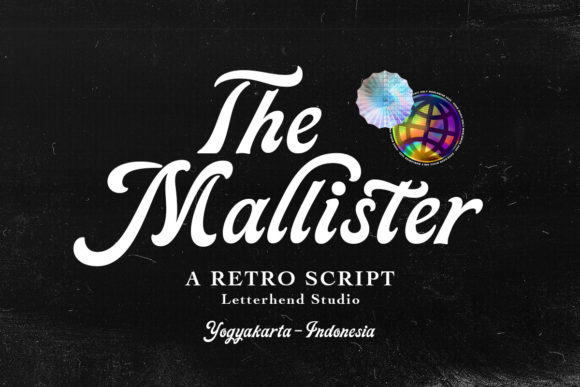
If you have been scrolling through design portfolios or browsing stock font libraries lately, you have likely stumbled upon The Mallister. This retro script font with a touch of vintage look and feel has quickly become a favorite among creators who want to add warmth and character to their projects. Unlike the sterile, geometric sans-serifs that dominate modern web design, this typeface offers a distinct personality. It feels handcrafted, inviting, and timeless. However, simply downloading a beautiful font does not guarantee a successful design. Many users make the mistake of assuming that because a font looks good in isolation, it will work perfectly in every context.
To get the most out of The Mallister, you need to understand its specific strengths and limitations. Whether you are designing product packaging for a boutique coffee brand, creating a wedding invitation suite, or crafting magazine covers for a lifestyle blog, the way you apply this font can make or break your visual communication. Let us explore the common pitfalls people encounter when working with vintage scripts and how you can avoid them to ensure your project stands out for all the right reasons.
Understanding the Vintage Appeal Without Sacrificing Readability
The primary reason designers gravitate toward The Mallister is its ability to evoke nostalgia. It captures the essence of mid-century elegance without feeling dated or cluttered. When used correctly, it transforms a plain headline into a statement piece. However, a frequent error occurs when users prioritize style over substance. They might stretch the text horizontally or vertically to force it to fit a specific box, completely distorting the letterforms. This distortion ruins the delicate balance of the stroke weights and makes the text difficult to read, defeating the purpose of using a legible script in the first place.
The Mallister is designed with specific proportions. Stretching it creates awkward gaps between letters and uneven line heights. Instead of forcing the font to fit your layout, adjust your layout to fit the font. If you need more space, consider increasing the kerning (the space between individual characters) slightly rather than stretching the glyph itself. This subtle adjustment maintains the integrity of the vintage aesthetic while improving readability. Remember, a vintage look should feel authentic, not like a stretched-out afterthought.
The Trap of Overusing Script Fonts
Another common misunderstanding is the belief that a script font needs to be used everywhere to be effective. Some beginners try to set entire paragraphs of body text in The Mallister, thinking it will create a cohesive theme. This is rarely a good idea. Scripts are generally best reserved for headlines, logos, pull quotes, or short phrases above a background. Using them for long blocks of text fatigues the reader's eye and reduces comprehension.
For a professional result, pair The Mallister with a clean, neutral sans-serif or a classic serif for your body copy. This contrast allows the script to shine as an accent without overwhelming the message. For example, if you are designing a social media graphic for a small business, use The Mallister for the main hook and a simple, bold font for the details. This hierarchy guides the viewer's eye naturally and ensures your key information is absorbed quickly.
Selecting the Right Application for Your Project
Not every project requires a vintage script, even if the aesthetic fits. Before purchasing or downloading The Mallister, evaluate whether the medium supports its unique characteristics. Digital screens often render fine details differently than print media. On high-resolution mobile displays, the intricate flourishes of a script font can sometimes appear too thin or pixelated if the resolution is low or if the file format is not optimized.
- Product Packaging: This is one of the strongest use cases. The tactile nature of packaging benefits from the organic flow of The Mallister, making products feel artisanal and premium.
- Wedding Invitations: The romantic, elegant vibe of this font aligns perfectly with wedding themes, but ensure the ink coverage on your chosen paper stock is sufficient to capture the fine lines.
- Social Media: Great for story overlays and cover images, but keep text size large enough to be readable on small screens without zooming.
- Magazine Covers: Excellent for titles, provided you do not overcrowd the cover with too many competing elements.
A critical mistake to avoid is ignoring licensing terms. Many fonts available online come with different licenses for personal and commercial use. If you plan to use The Mallister for a client's branding project or a product you intend to sell, failing to secure the correct commercial license can lead to legal issues and unexpected costs later. Always verify the license agreement before starting any paid project.
Optimizing Contrast and Background Selection
The phrase "used to express words above the background" is often seen in font descriptions, but it is easier said than done. The success of The Mallister often depends entirely on the contrast between the text and the backdrop. A light script on a white or cream background can disappear, especially if the font weight is thin. Conversely, a dark script on a busy, high-contrast image can become illegible noise.
To avoid these visibility issues, test your design in grayscale first. If the text does not stand out clearly when color is removed, the contrast is insufficient. You might need to add a subtle drop shadow, a text outline, or a semi-transparent shape behind the text to improve separation. Do not rely solely on the font's inherent weight; take control of the composition. For instance, if you are placing The Mallister over a textured vintage photo, adding a solid overlay with reduced opacity can create the perfect canvas for the text to pop.
Technical Considerations for Downloading and Installing
When you finally decide to acquire The Mallister, pay attention to the file formats provided. Most professional workflows require both OpenType (.otf) and TrueType (.ttf) files. OpenType files often contain advanced features like ligatures, alternate characters, and swashes that enhance the script's natural flow. Ignoring these features means missing out on the full potential of the font. For example, using a standard "fi" ligature instead of the separate "f" and "i" characters can prevent the crossbar of the "f" from colliding with the dot of the "i," resulting in a much cleaner look.
Ensure your software supports these advanced typographic features. Older versions of design tools may not recognize OpenType features by default. Check your settings to enable "Contextual Alternates" or "Stylistic Sets." This small step can transform a choppy, mechanical-looking script into a fluid, handwritten masterpiece. It is a detail that separates amateur designs from professional-grade work.
Making the Final Decision with Confidence
Before committing to The Mallister for your next big project, take a moment to review your goals. Are you trying to convey luxury, nostalgia, or approachability? If the answer is yes, this font is likely a strong candidate. However, always create a mockup with your actual content. Lorem ipsum does not tell the whole story; the length and complexity of your real words will affect how the font performs. Short words might look balanced, but longer phrases could reveal spacing issues that were not apparent during the initial preview.
By focusing on proper scaling, appropriate pairing, and technical optimization, you can leverage the vintage charm of The Mallister without falling into common traps. The goal is to let the font do what it does best: communicate emotion and style effectively. With careful planning and attention to detail, you can create designs that are not only visually striking but also functional and professional. Avoid the urge to rush the process; a little extra time spent adjusting kerning and testing contrasts will save you from costly revisions down the line.