Ravaris: Unlocking Quirkiness Without Sacrificing Clarity
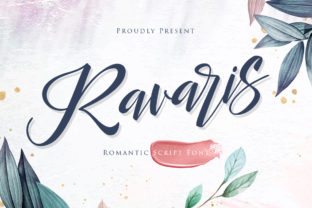
When you are staring at a blank canvas, whether it is a digital screen or a physical poster for a school fair, the difference between a forgettable design and a memorable one often comes down to personality. This is where Ravaris steps in. It is not just another typeface; it is an enchanting script font designed to embody fun, quirkiness, and authenticity. If your goal is to turn a creative idea into a true standout, Ravaris offers a childlike playfulness that can brighten up any project involving kids, schools, or brands looking to show their human side.
However, while the visual appeal of Ravaris is undeniable, using it effectively requires more than just dragging and dropping the file into your software. Many creators rush to apply this style without understanding its nuances, leading to designs that feel chaotic rather than charming. To help you avoid these pitfalls, let us explore how to leverage this font correctly while steering clear of common errors that can undermine your message.
The Allure of Authenticity in Design
In a digital landscape saturated with clean, corporate sans-serifs, there is a growing demand for fonts that feel handcrafted and genuine. Ravaris answers this call by mimicking the natural flow of handwriting with a whimsical twist. It captures the spirit of childhood creativity, making it perfect for educational materials, party invitations, and branding for businesses that want to appear approachable.
But why choose it over other scripts? The answer lies in its balance. Unlike some decorative fonts that sacrifice readability for style, Ravaris maintains enough structure to remain legible while offering distinct character. When used well, it signals to your audience that you care about details and have put thought into the presentation. It transforms a standard flyer into an invitation to play.
Pitfalls in Selection and Application
Even the most talented designers can stumble when introducing a bold personality like Ravaris into a layout. The primary mistake is assuming that because a font looks fun, it should be used everywhere. This "more is better" mentality often leads to visual noise that confuses the viewer rather than delighting them.
- Overuse in Body Text: One of the most frequent errors is attempting to set long paragraphs in Ravaris. While it excels as a display font for headlines, titles, and short phrases, using it for extended reading material causes eye fatigue. The varying stroke widths and playful curves make scanning text difficult, which can frustrate your audience and reduce comprehension.
- Ignoring Context: Another oversight is applying Ravaris to serious or formal contexts. Using a font that screams "playtime" on a legal document, a financial report, or a solemn memorial page creates a jarring dissonance. It undermines the authority of the content and can make the creator appear unprofessional.
- Lack of Contrast: Designers sometimes pair Ravaris with other decorative fonts or overly busy backgrounds. When multiple complex elements compete for attention, the unique charm of Ravaris gets lost. The result is a cluttered design that fails to communicate its core message clearly.
The Impact on Usability and Perception
These mistakes do more than just look bad; they actively harm the effectiveness of your communication. If users cannot read your message quickly, they will leave. If the tone feels mismatched, they may distrust the information being presented. In the case of children's projects, a poorly executed design can actually discourage engagement rather than spark interest. A headline that is too small or a background that clashes with the font color renders the effort useless.
Furthermore, from a technical standpoint, downloading and installing the wrong version of the font can lead to compatibility issues. Some free versions may lack the full character set required for special symbols or international characters, limiting your ability to create diverse content. Always ensure you are sourcing the font from a reputable provider to guarantee high-quality rendering across different devices.
Strategies for Better Results
To get the most out of Ravaris, you need a strategy that respects its strengths while mitigating its limitations. The key is intentional contrast. Use Ravaris for what it does best: grabbing attention. Pair it with a simple, neutral sans-serif font for body text. This combination allows the playful nature of Ravaris to shine without overwhelming the reader.
- Define Your Hierarchy: Before opening your design software, decide where the font will live. Reserve it for headers, logos, pull quotes, or labels. Keep the supporting text in a highly readable typeface like Open Sans, Roboto, or Lato.
- Check Legibility First: Test your design at various sizes. Does the font remain clear when printed on a small business card? Is it still readable on a mobile screen? If the loops or tails of the letters disappear, scale back the usage or increase the spacing.
- Consider the Audience: For educators and parents, Ravaris is a fantastic tool for creating engaging worksheets or classroom decorations. However, if you are targeting a professional audience who needs quick information, use it sparingly as a subtle accent rather than the main driver.
Practical Tips for Implementation
When setting up your project, pay close attention to line height and letter spacing. Because script fonts often have ascenders and descenders that interact closely, tight kerning can cause letters to collide, creating a messy appearance. Give Ravaris room to breathe by increasing the tracking slightly. This enhances readability and adds to the airy, light feeling that defines the font.
Color choice also plays a critical role. Avoid placing Ravaris on busy, multi-colored patterns. Solid colors or subtle gradients work best to let the intricate details of the script stand out. If you are working on a school project, consider using bright, cheerful colors that match the energy of the font, but ensure there is sufficient contrast between the text and the background.
Evaluating Your Choice Before You Commit
Before finalizing your decision to use Ravaris, take a moment to evaluate the specific needs of your project. Ask yourself: Does this font support the mood I am trying to convey? Will it be legible for my intended audience? Have I tested it in both print and digital formats?
It is also wise to review the licensing terms. Whether you are a freelancer, a small business owner, or a hobbyist, understanding the usage rights is essential. Some licenses allow for personal use only, while others require a commercial fee for client work. Ignoring these details can lead to legal complications later on.
By approaching Ravaris with a clear plan and an awareness of its limitations, you can harness its power to create designs that are both authentic and effective. It is a tool that brings joy and creativity to the table, but like any powerful tool, it works best when handled with skill and intention. Use it to brighten your kids' parties, liven up your school newsletters, or add a touch of whimsy to your brand identity, and watch your ideas come to life in a way that truly stands out.